
Board of Directors
Our board members guide HeadWaters Land Conservancy with vision, dedication, and a deep love for the land and water of northern Michigan.
Scot Egleston
Board Chair
Alexandra Popoff
Vice Chairperson
Thomas Schupbach
Secretary
Elaine Gottschalk
Treasurer
Anne Belanger
Sierra Hilt
Michelle Millikin
Frank Ruswick
Erik Snyder
BobbieJo Wilson
Emeritus Board Members
We honor these dedicated individuals for their longstanding service and contributions to HeadWaters Land Conservancy.
- Don Inman
- Virginia Pierce
- James Supina
- Jeff Twyman

Julie’s path to conservation has been guided by curiosity, community, and a love for the outdoors. Raised in southern Indiana, she grew up exploring the woods and trails of state parks, experiences that inspired her to study plant genetics, horticulture, and forestry at Purdue University.
After earning her degree, Julie worked for the Indiana Arborist Association, coordinating statewide programs for urban foresters. She later co-founded and led Lafayette PC, an award-winning small business recognized for innovation and community involvement. Her success in the private sector deepened her appreciation for leadership, partnership, and the power of local networks, skills she carried into her work with United Way of Greater Lafayette and NICHES Land Trust, where she helped strengthen conservation and community engagement across Indiana.
In 2021, Julie brought that same blend of business acumen and conservation passion to northeastern Michigan, joining HeadWaters Land Conservancy as Executive Director. She continues to champion creative, community driven approaches that foster growth, connection, and a shared commitment to protecting Michigan’s natural landscapes.

Dianne Farner
Deputy Director
DFarner@headwatersconservancy.org
Dianne Farner joined HeadWaters Land Conservancy in August 2020 and serves as Deputy Director, overseeing projects, grants, and communications. She holds a B.A. in History of Art and Visual Culture from Michigan State University and an M.B.A. from Spring Arbor University.
A northern Michigan native, Dianne is passionate about preserving and protecting the land and water of the region she calls home. She takes great pride in advancing HeadWaters’ mission through community partnerships and conservation initiatives. Outside of work, she enjoys wild mushroom foraging, hiking, kayaking, and spending time outdoors year-round. Dianne lives in Gaylord with her husband Zach, and two spirited cattle dogs, Penny and Ophelia.
Grady Zappone
Land Conservation Specialist
GZappone@headwatersconservancy.org
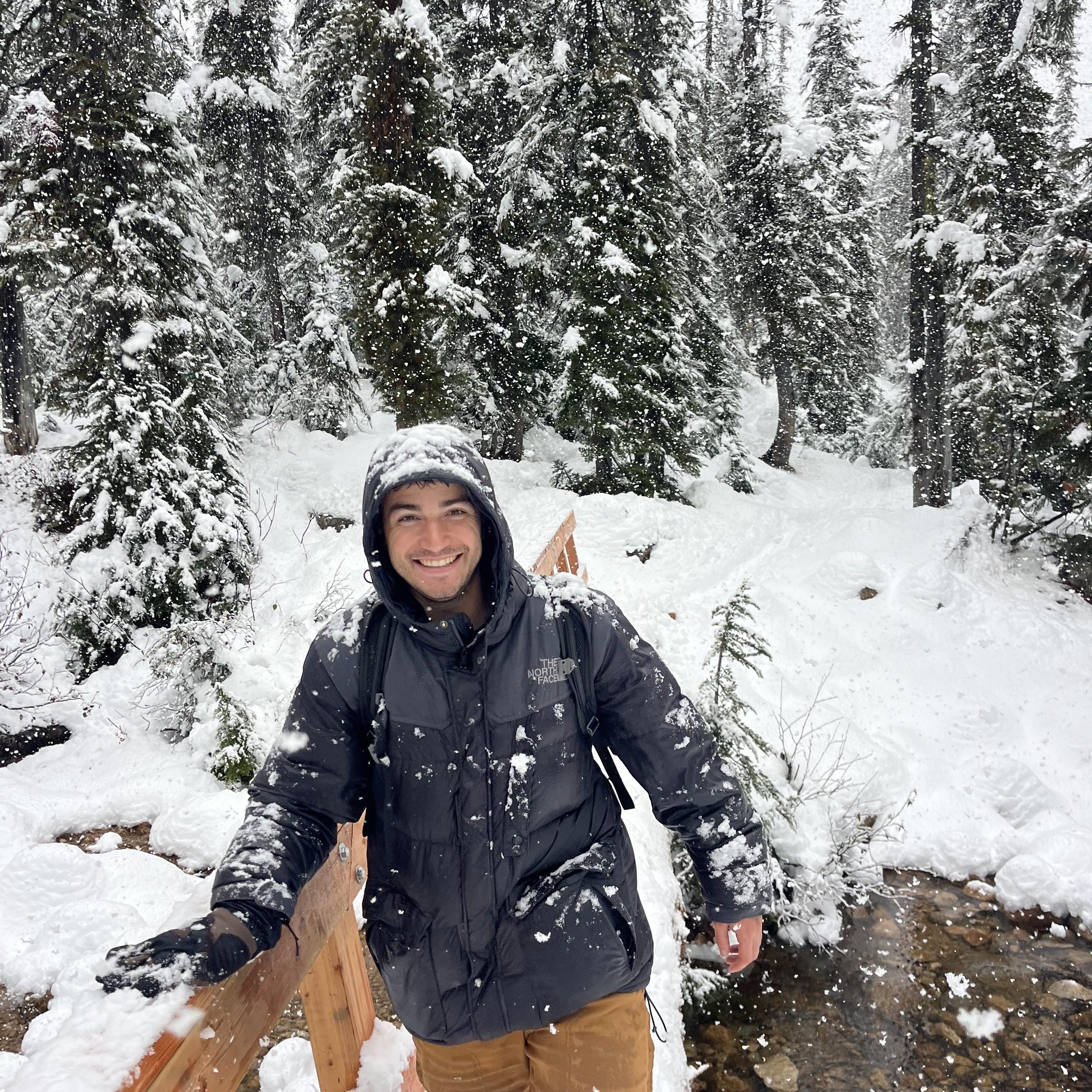
Grady grew up in Northeast Ohio, where a love of the outdoors quickly grew into a lifelong commitment to conserving land and water. Today, Grady oversees the management and monitoring of HeadWaters' conservation easements and nature preserves, helping Northeastern Michigan's land do what it does best: grow trees, sustain clean watersheds, and quietly hold everything together.
He earned his undergraduate degree from McGill University, majoring in Environment and International Development with a minor in computer science. While in Montreal, he worked with the McGill Neotropical Ecology Lab, developing online tools and training technicians in Panama to monitor carbon capture in reforestation plots. Somewhere between the trees, the data, and the people doing the work, it became clear that restoration isn’t just good for ecosystems—it also supports local economies and community health. After graduating, Grady headed west to Washington State to work with the Bureau of Land Management, restoring and monitoring landscapes following major disturbances and gaining firsthand experience in large-scale land recovery. When he’s not caring for conservation easements or diving into watershed data, Grady can usually be found backpacking, swimming, trail running, or skiing. He believes healthy land supports healthy people, and that good stewardship today makes a measurable difference tomorrow.