
BY GRADY ZAPPONE,
CONSERVATION LANDS SPECIALIST
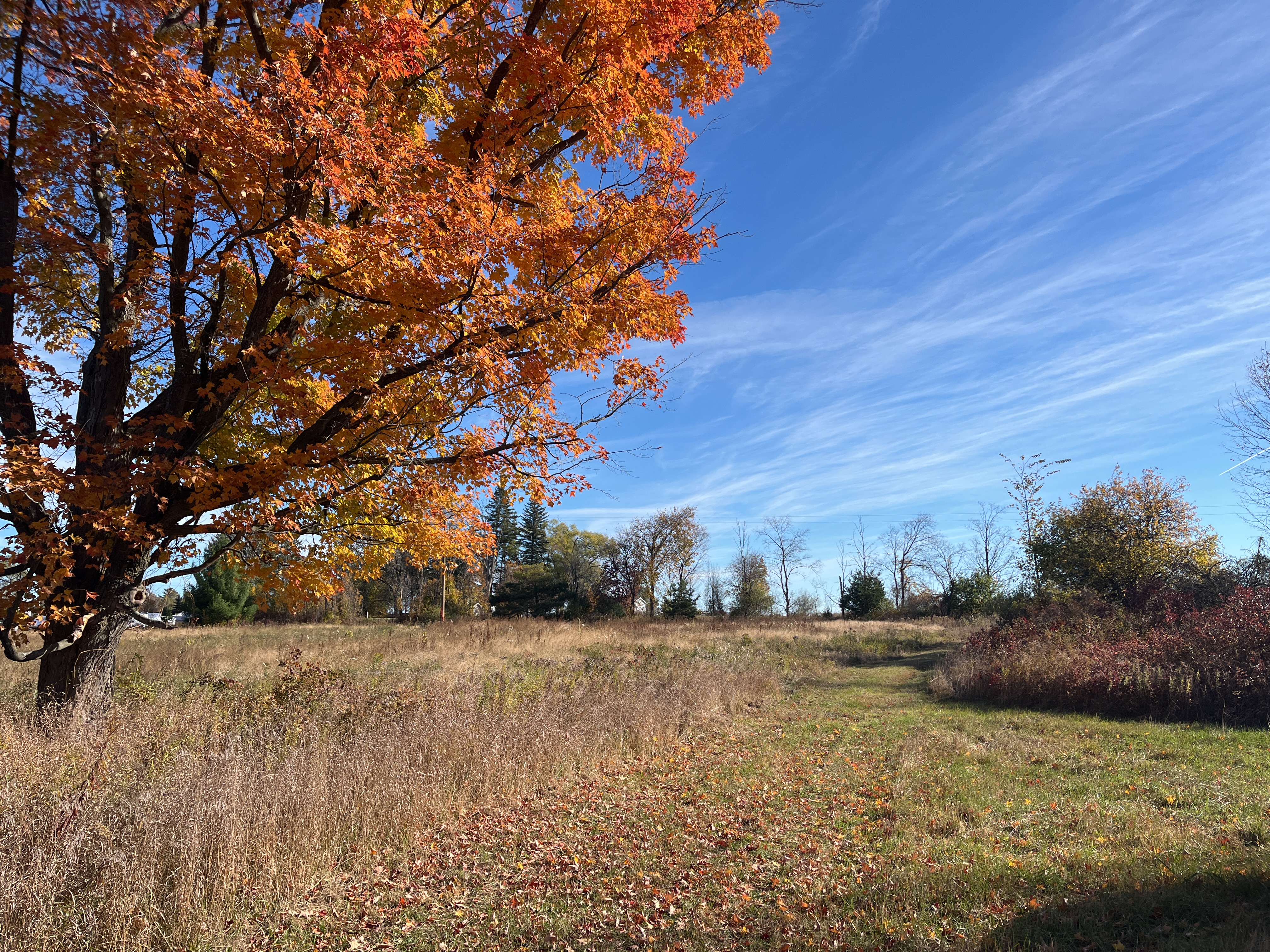
It’s easy not to think too long about where the burger or the corn on the cob at a summer picnic comes from. Our food often arrives already several steps removed from the ground it grew in. Trace it back far enough, and that meal may have started somewhere like Mary Repar’s 50-acre farm in Ogemaw County, where hay fields and crop ground turn over each spring, the way they have for generations. This March, that landscape gained permanent protection when HeadWaters Land Conservancy partnered with Mary to place a conservation easement on the property, ensuring the land will continue to support agriculture forever.
Mary has owned this property since 1981, but her family’s connection to the land goes back much further, spanning generations who worked this ground before her. The land has been actively farmed throughout that time, and it still is today. Hay fields make up the working heart of the property, while two creeks cut across the land, feeding the rivers and wetlands that define so much of northeast Michigan’s landscape. For Mary, the decision to place a conservation easement on the farm was an expression of her deep belief in protecting agricultural land and preserving long-term food security at a time when farmland across Michigan is disappearing under rooftops and parking lots.
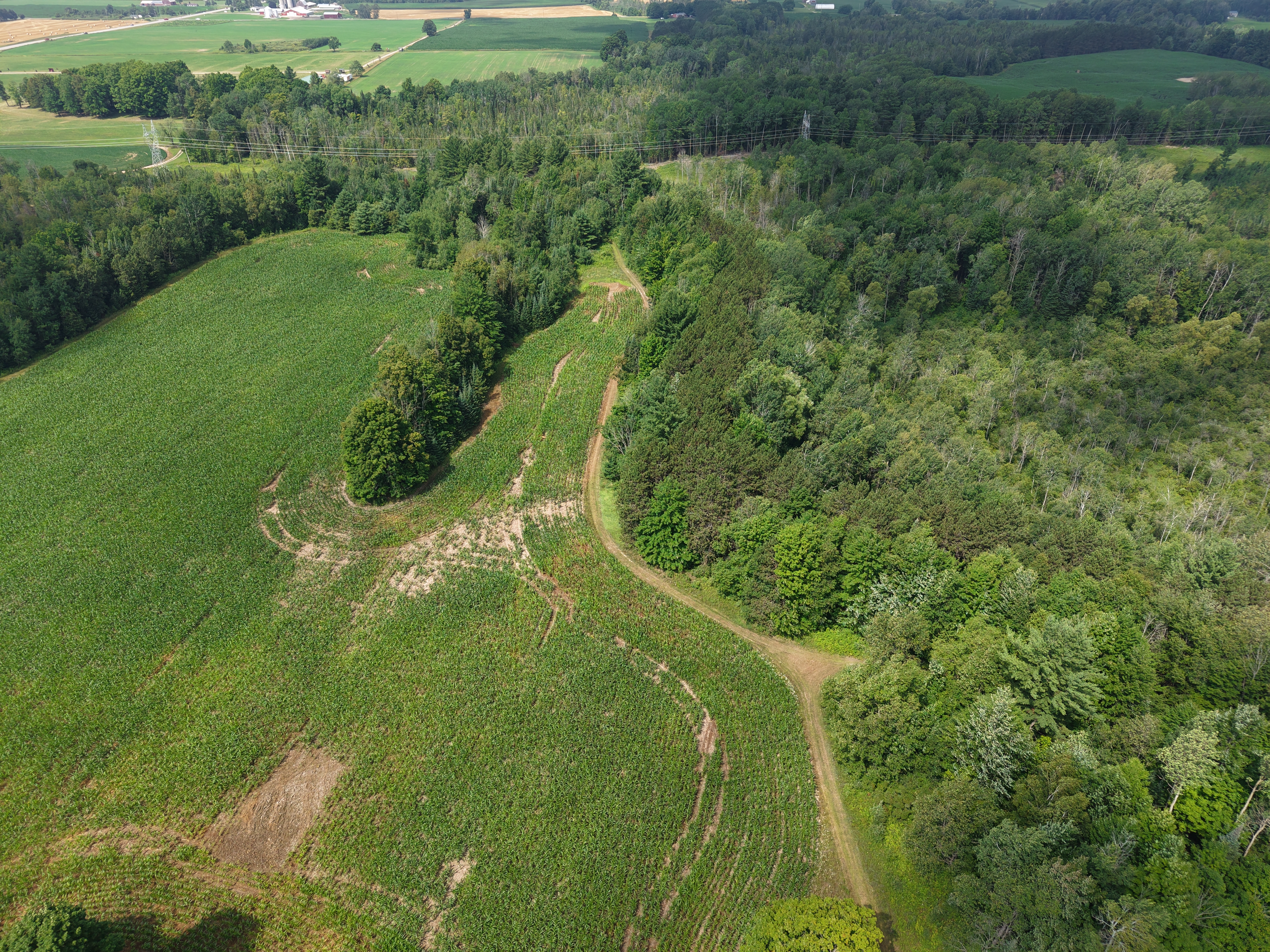
Mary’s concern is well founded. Michigan is losing farmland at a pace that should alarm anyone who cares about where their food comes from. According to the USDA’s Farms and Land in Farms 2024 Summary, the state lost roughly 100,000 acres of farmland and 1,100 small farms (1,000-9,999 economic sales class farms), in 2024 alone. That builds on a decades-long pattern that will only amplify over time. The American Farmland Trust’s report, Farms Under Threat 2040: Choosing an Abundant Future, projects the greater Midwest could lose another 3.1 million acres to development by 2040, with Michigan ranking among the hardest-hit states in the region. Every acre lost is one less that can grow hay, corn, or other vegetables. As farmland gives way to development, land prices rise and the remaining fields become increasingly fragmented, making it more difficult for the next generation of farmers to get their foot in the door.
When family farms like Mary’s disappear, we lose more than open space, we lose local food production, wildlife habitat, clean water filtration, and the rural character of northeast Michigan. Protecting the farmland around the two creeks crossing Mary’s property helps filter runoff, stabilize streambanks, and protect water quality downstream–a benefit that reaches far beyond the farm’s boundary. Much of northeast Michigan doesn’t face the same development pressures as southeast Michigan, but that’s exactly why the region’s working farms are so valuable to protect right now. As urban areas expand and farmland across the state is converted to development, counties like Ogemaw play an increasingly important role in preserving Michigan’s agricultural future. Conservation easements like this one are a voluntary, permanent tool. Mary retains full ownership of her farm, and can pass it down to her family or sell it, but the easement ensures that no matter who owns the property in the future, it can never be subdivided for houses or converted to non-agricultural use. The fields and creeks will remain exactly what they are today.
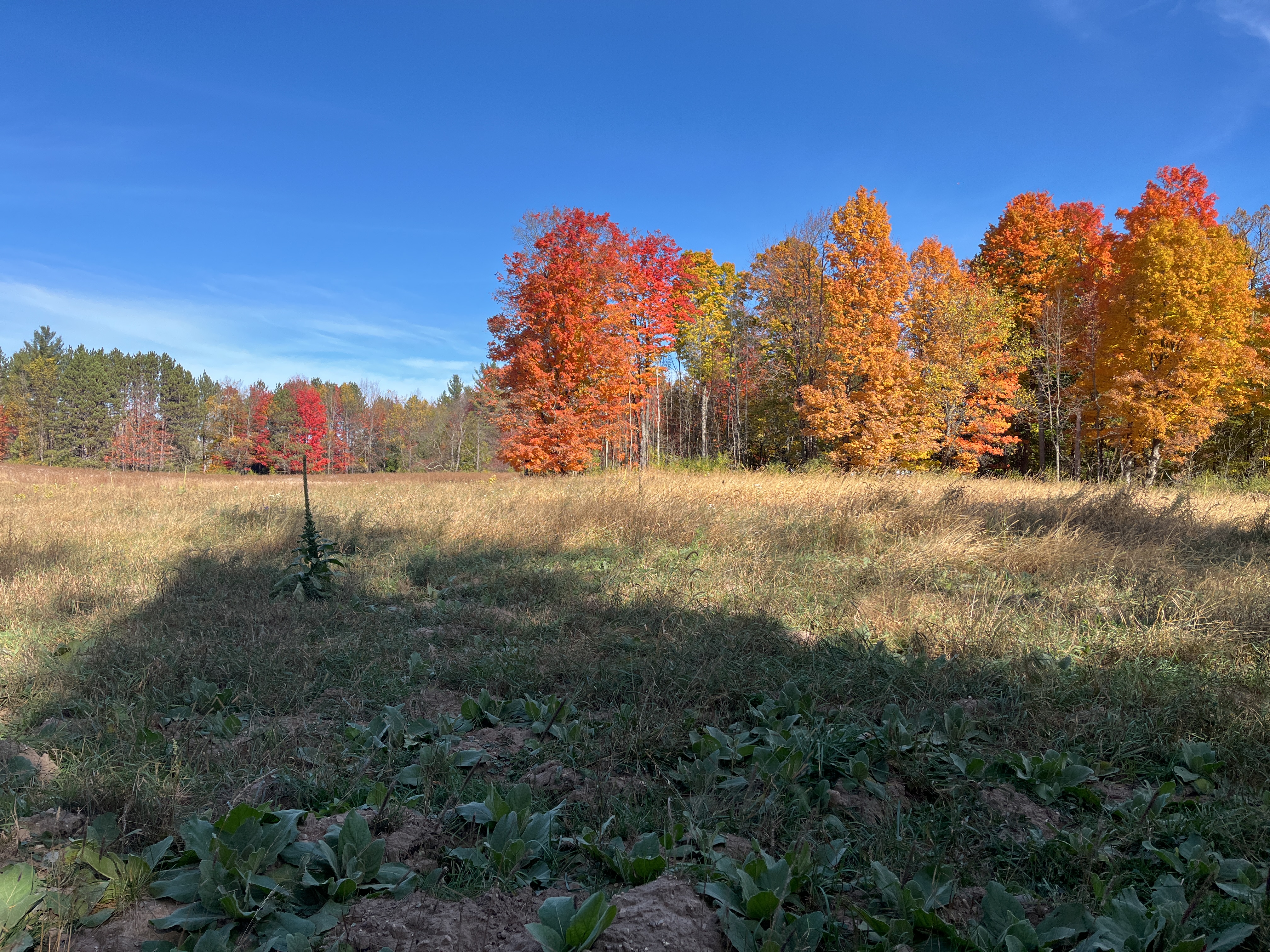
Mary’s decision reflects exactly what HeadWaters Land Conservancy is excited to see across our eleven-county service area: farm families choosing to protect the land that has sustained them, so it can go on sustaining their neighbors and communities for generations to come. Mary is already exploring conservation options for additional family land, and she hopes her decision will encourage other landowners in the area to consider permanent protection for their own farms.